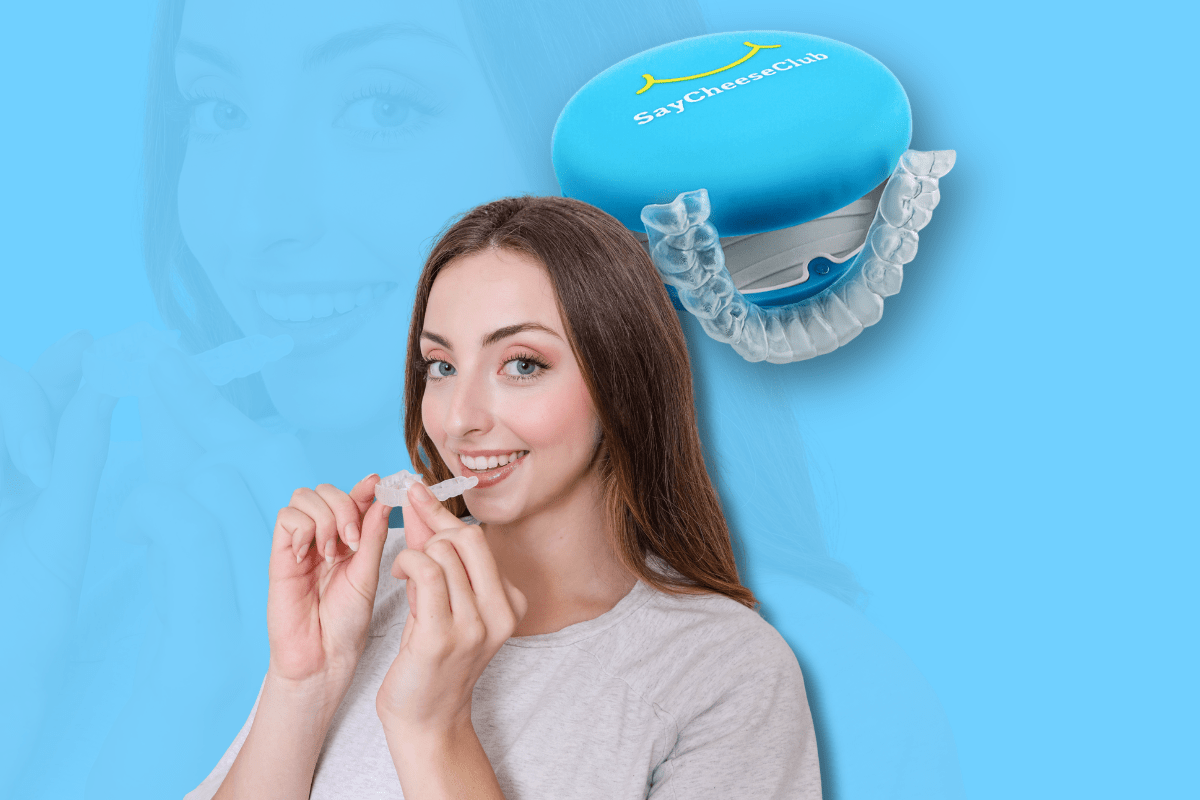
If you’ve ever had braces, aligners, or even just a dentist tell you your teeth are “crowding a bit,” you already know the truth: teeth move. And they don’t need permission.
That’s why retainers exist in the first place. The whole point is simple—hold your teeth in the position you worked (and paid) to get them into.
But if you’re shopping for a retainer (or you haven’t worn yours in a while), you might be wondering:
Do clear retainers actually prevent teeth from shifting?
Yes—when they fit correctly, are worn consistently, and are replaced when they’re worn out.
Let’s break down what shifting is, why it happens, what clear retainers can and can’t do, and how to make sure your teeth stay where you want them.
Why do teeth shift in the first place?
Teeth aren’t rigidly locked into your jawbone like bolts in concrete. They’re held in place by a living support system: bone, ligaments, gums, and the forces created by your bite.
That system changes over time.
Some of the most common reasons teeth shift include:
1) Your teeth “remember” their old position
After orthodontic treatment (braces or aligners), your teeth have moved, but the surrounding tissues need time to stabilize. The fibers in the gums and the periodontal ligament can pull teeth back toward where they started.
This is why the first year after treatment is so important.
2) Normal aging changes your bite and jaw
Even if you never had braces, many people experience gradual crowding, especially in the lower front teeth, as they get older. Small changes in jaw growth, bite forces, and bone remodeling can contribute.
3) Grinding and clenching (bruxism)
Grinding doesn’t just wear teeth down—it can create pressure that encourages movement, especially if your bite is uneven or you clench at night. This is one reason some people end up needing both a retainer and, separately, a night guard depending on their situation.
4) Missing teeth or dental work changes spacing
When a tooth is removed and not replaced, neighboring teeth can drift into that space. Dental work like crowns or fillings can also subtly change contact points between teeth.
5) Inconsistent retainer wear
This is the big one. If you stop wearing your retainer, your teeth are basically being told, “Alright, we’re free again.”
So… do clear retainers prevent teeth from shifting?
Yes—clear retainers are designed to prevent shifting.
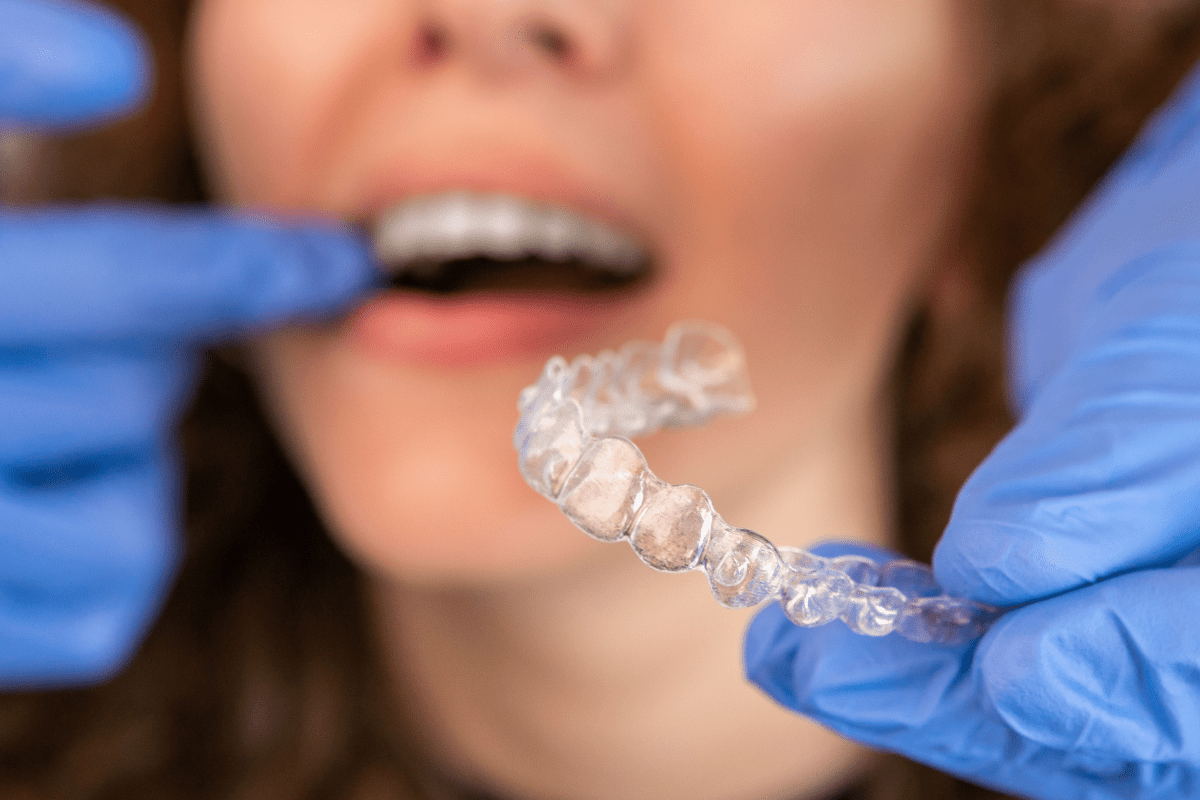
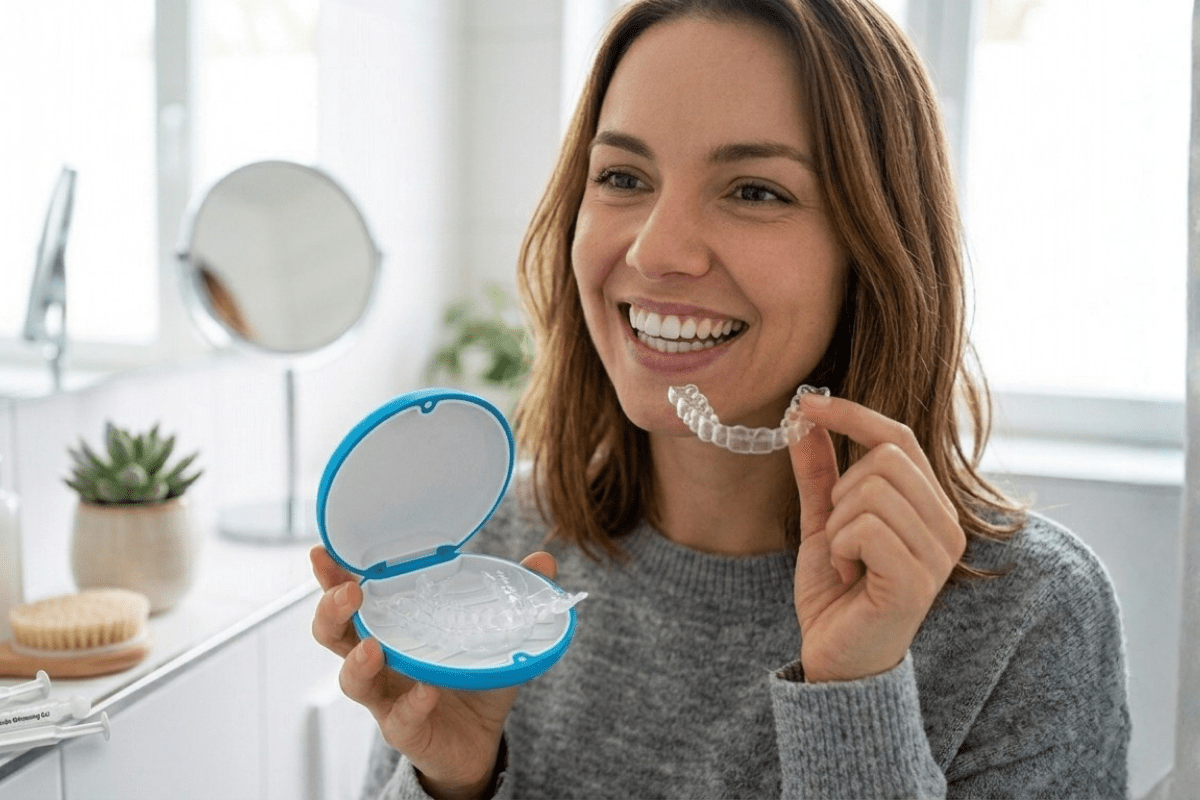
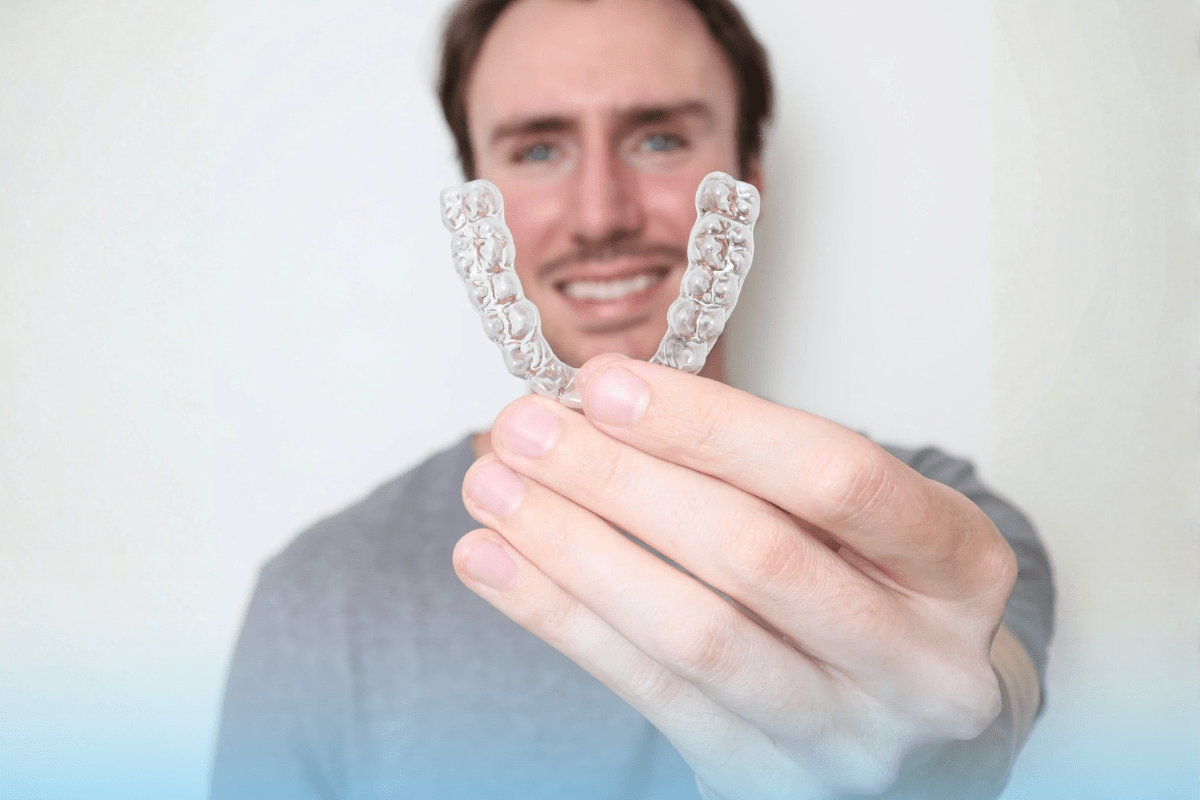
A properly fitting clear retainer works like a snug “mold” over your teeth. It helps keep them in the same alignment by resisting the forces that would otherwise push or pull them out of place.
Think of it like this:
-Without a retainer, your teeth can drift gradually in response to daily forces.
-With a retainer, those forces don’t disappear—but the retainer helps hold your teeth in the intended position so they don’t move (or don’t move much).
The key phrase is properly fitting and consistent wear.
How clear retainers work (in plain English)
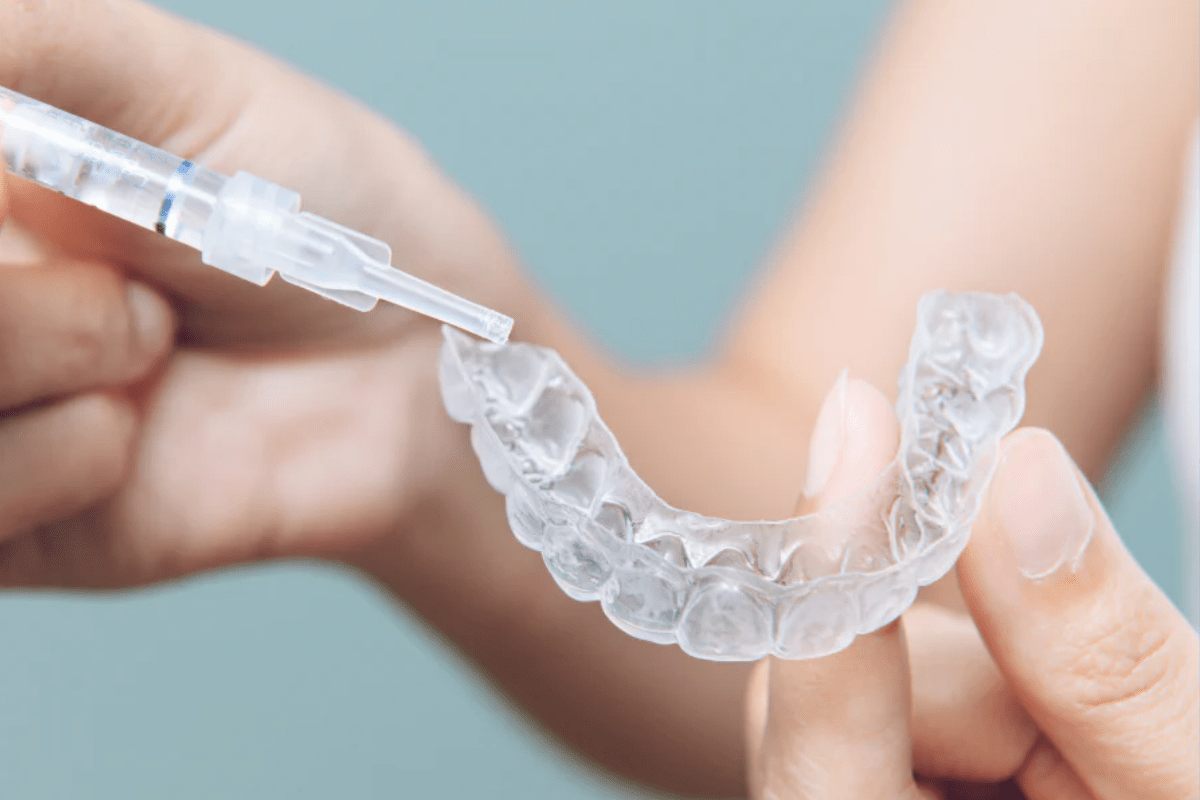
Clear retainers are made to match your teeth exactly—like a custom-fit shell. When you wear one, it:
1) Stabilizes tooth positions by limiting tiny movements
2) Maintains the spacing created by orthodontic treatment
3) Helps prevent crowding and rotation (common types of shifting)
But retainers are not permanent devices. The material can wear down over time, and your retainer can loosen—especially if you grind at night or go long stretches without wearing it.
What clear retainers can’t do
This matters because people sometimes buy a retainer hoping it will “fix” shifting that already happened.
Clear retainers are not meant to move teeth back into place.
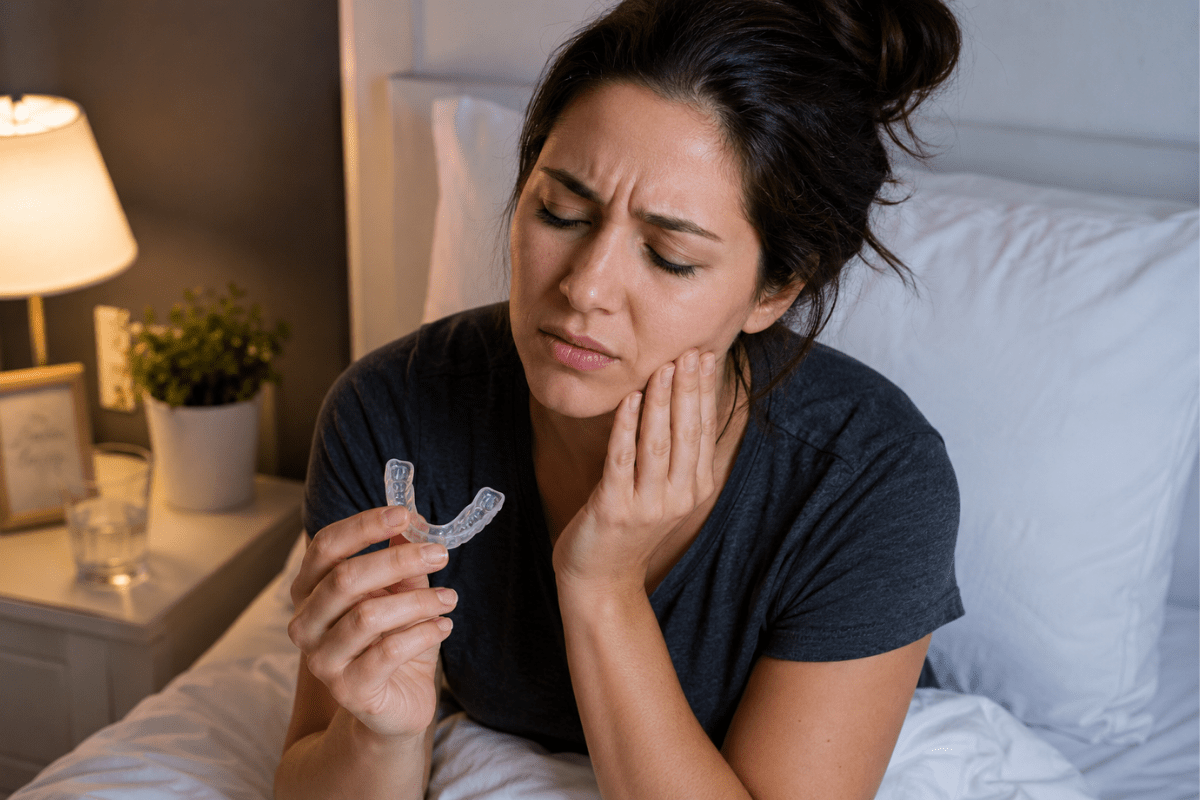
If your teeth have already shifted, a retainer isn’t designed to push them back the way aligners do. In fact, forcing a retainer that doesn’t fit can lead to:
-cracking the retainer
-pain or pressure that doesn’t improve
-a poor fit that gets worse
-irritation of gums
A good rule of thumb:
If your retainer doesn’t seat fully or feels like it “won’t go on,” your teeth likely shifted enough that you need a different solution.
How much shifting can a retainer prevent?
A clear retainer is excellent at preventing the slow, everyday drift that happens over months and years. But the result depends on a few things:
Fit
A retainer that fits snugly is doing its job. A retainer that feels loose is giving your teeth room to move.
Wear schedule
Retainers work when they’re worn consistently. If you only wear yours “sometimes,” you’ll often get stuck in a frustrating loop:
-skip a few nights
-retainer feels tight
-you wear it a couple nights
-you skip again
-it gets tighter
That tight feeling is your teeth shifting and your retainer fighting to hold them.
Your habits (especially grinding)
If you grind or clench, you put extra force on the retainer and your teeth. Some people can wear a clear retainer at night with no issue. Others who grind heavily may wear through retainers faster and might be better suited to a dedicated night guard (or a reinforced plan).
6. Biting Too Hard and Touching the Tray
Over-biting forces your teeth into the plastic tray, creating flat spots or missing detail.
Why it matters:
This produces:
- Incomplete impressions
- Thin areas that affect the guard’s accuracy
- Poor appliance stability
How to avoid it -
✔ Press firmly but don’t clench
✔ Don’t “bite down” like you’re chewing
✔ Let your fingers guide the pressure, not your jaw
Gentle, even pressure creates the best molds.
How often do you need to wear a clear retainer?
Retainer wear is personal, but most people fall into a pattern like:
After braces or aligners (recent)
Many people are advised to wear retainers full-time at first, then transition to nighttime wear. The first several months are when relapse risk is highest.
Long-term maintenance
For many people, the realistic “keep it forever” plan is:
Nightly wear, long-term.
Because teeth don’t stop being teeth. They keep responding to forces.If you’re only wearing your retainer once or twice a week, you’re basically asking it to do a job it wasn’t built for.
Signs your retainer is not preventing shifting anymore
Even if you’re wearing it, a retainer that’s worn out can lose effectiveness.
Watch for:
-It feels loose or pops off easily
-Cracks or thin spots
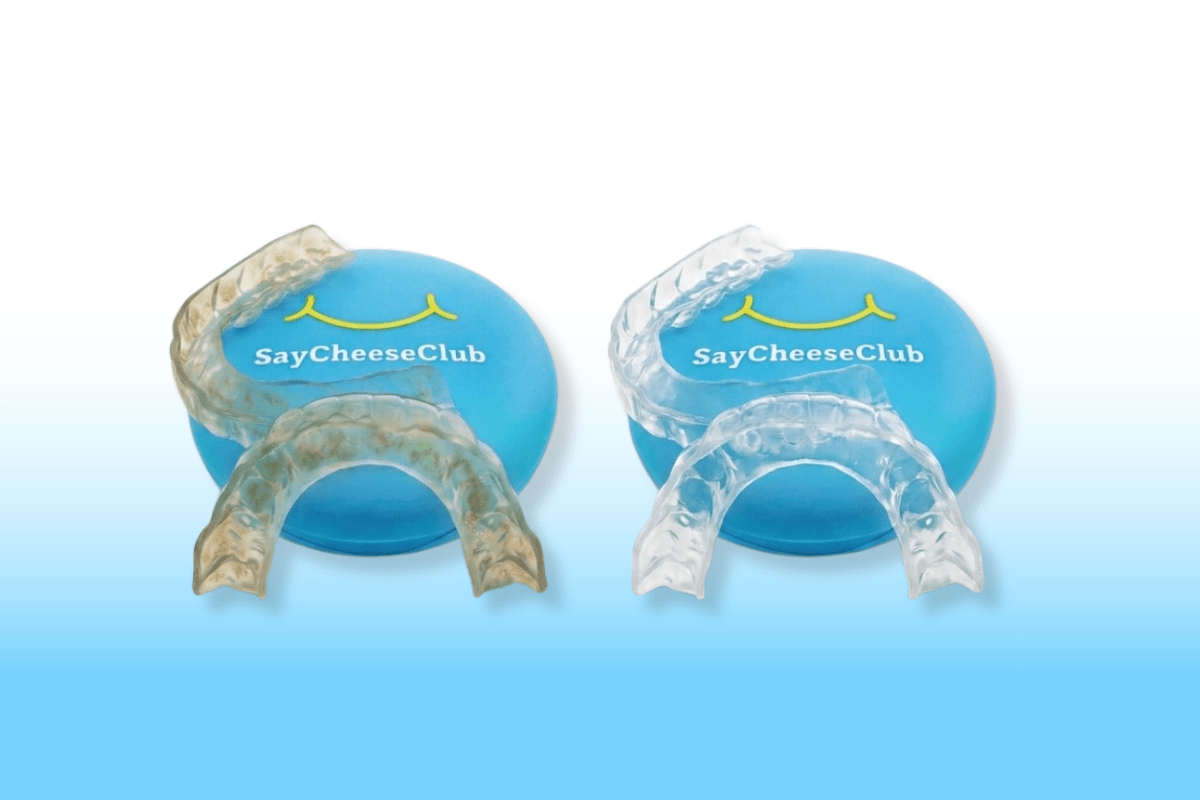
-Cloudiness and rough texture that doesn’t clean off (wear and micro-scratches)
-It warps (often from heat exposure)
-You’re getting new tightness even though you’ve been consistent
If any of those show up, it might be time to replace it.
How long do clear retainers last?
It depends heavily on:
-how often you wear them
-whether you grind or clench
-how well you care for them
-your bite force
Some people can get solid life out of a retainer for a long time. Others, especially grinders, may need replacements more often.
A practical way to think about it:
If your retainer is visibly worn, loosening, or cracking, it’s not worth gambling with your alignment.
Replacing a retainer is usually far cheaper than trying to correct shifting later.
The biggest mistake people make with retainers
It’s not forgetting once.
It’s the “I’ll get back to it later” stretch.
If you stop wearing your retainer for weeks or months, your teeth can shift enough that:
-the retainer won’t fit
-you’ll feel significant pressure
-you risk damaging the retainer trying to force it
And the longer that goes on, the more likely you’ll need active correction (like aligners) rather than simple retention.
How to keep your teeth from shifting (simple plan)
Here’s what actually works for most people:
1) Wear your retainer consistently
Nightly is a common long-term baseline.
2) Store it safely
Retainers get lost and crushed constantly. Keep a case where you always put it.
3) Keep it clean
Rinse after use. Clean gently and regularly so it stays comfortable and doesn’t build up film or odor.
4) Don’t expose it to heat
Hot water, dishwashers, and leaving it in a hot car can warp retainers quickly.
5) Replace it when it’s worn
A retainer is a tool. Tools wear out.
Clear retainers vs. wire retainers: which prevents shifting better?
Both can be effective. The best option depends on your needs and preferences.
Clear retainers
Pros:
-nearly invisible
-comfortable for many people
-fully covers the teeth (great for maintaining alignment)
Cons:
-can wear down, especially for grinders
-must be replaced periodically
-can warp with heat
Fixed/bonded wire retainers
Pros:
-always on (no forgetting)
-effective for specific areas (often lower front teeth)
Cons:
-can break or detach without you noticing
-harder to floss and clean around
-doesn’t protect all teeth—only the bonded section
Many people even use a combination approach depending on what their provider recommended.
If your teeth already shifted, what should you do?
If you’ve noticed movement and your old retainer is tight or doesn’t fit, your best move is to avoid forcing it.
Then you have two paths:
1) If shifting is minimal: you may be able to get back on track with a properly fitting retainer.
2) If shifting is more significant: you may need an active correction plan (like aligners) before returning to a retainer.
Either way, the goal is the same: get back to a stable fit and keep it stable.
The bottom line
Yes—clear retainers prevent teeth from shifting when they’re custom-fit, worn consistently, and replaced when they’ve worn out.
If you’ve invested in your smile—whether that was braces, aligners, or just wanting to keep things looking clean—retainers are the simple, boring, high-ROI habit that protects that investment.
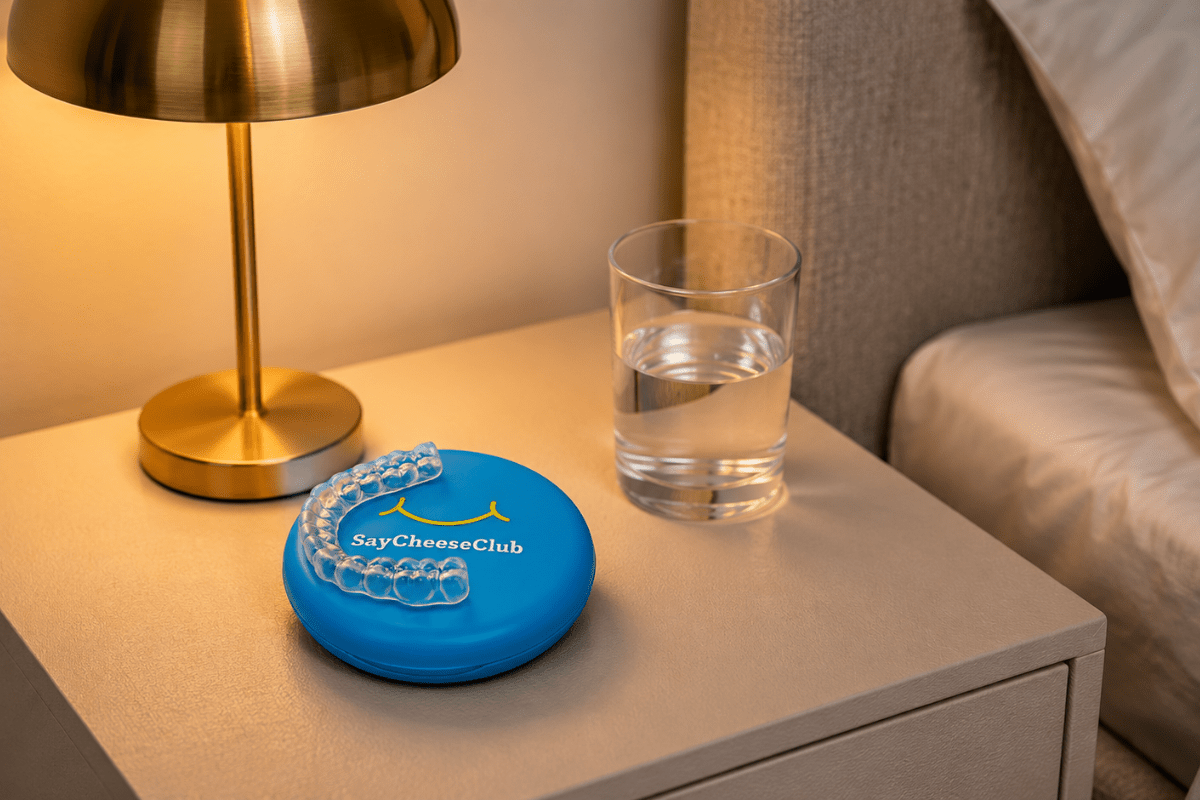
Keep your smile locked in with SayCheeseClub
At SayCheeseClub, we make it easy to stay on top of retention with custom clear retainers built for comfort, clarity, and a secure fit—so you don’t have to stress every time you miss a night.
If your current retainer is cracked, loose, or you haven’t worn one in a while, it’s a good time to get back on a plan that keeps your teeth right where you want them.
Your teeth will keep trying to move. Your retainer’s job is to say “no.”